


How to Jump Start a Dead Battery: Complete Step-by-Step Guide
Being stranded with a dead battery is one of the most frustrating experiences a driver can face. Whether you left your headlights on overnight or your battery simply gave out after years of service, knowing how to jump start a dead battery is an essential skill every car owner should master. This guide walks you through every step — safely and correctly.
What You Need Before You Start
Before attempting to jump start any vehicle, gather the following items:
- A set of jumper cables — at least 10-12 gauge, 16-20 feet long
- A donor vehicle with a fully charged battery (or a portable jump starter)
- Safety gloves and glasses — battery acid is corrosive and dangerous
- A wire brush to clean corroded terminals if needed
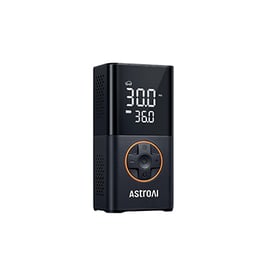
If you have a portable lithium jump starter, you can skip the second vehicle entirely — these compact devices deliver enough cranking amps to start most cars on their own.
Step-by-Step: How to Jump Start a Dead Battery with Jumper Cables
Step 1: Position the Vehicles
Park the donor vehicle close enough that the jumper cables can reach both batteries, but make sure the vehicles are not touching. Turn off the ignition in both vehicles, set the parking brakes, and put both cars in neutral (manual) or park (automatic).
Step 2: Identify the Battery Terminals
Locate the positive (+) and negative (-) terminals on both batteries. The positive terminal is usually red and marked with a plus sign, while the negative is black with a minus sign. If the terminals are corroded, clean them with a wire brush before proceeding.
Step 3: Connect the Cables in the Correct Order
This is the most critical step. Follow this exact sequence to prevent sparks and potential battery explosions:
- Connect one red clamp to the positive (+) terminal of the dead battery.
- Connect the other red clamp to the positive (+) terminal of the donor battery.
- Connect one black clamp to the negative (-) terminal of the donor battery.
- Connect the other black clamp to an unpainted metal surface on the dead vehicle's engine block or chassis — not the negative terminal. This is the grounding point that prevents hydrogen gas from igniting near the battery.
Step 4: Start the Donor Vehicle
Start the donor vehicle and let it idle for 3-5 minutes. This allows the alternator to send a steady charge to the dead battery. Revving the engine slightly to 1,500-2,000 RPM can speed up the charging process.
Step 5: Attempt to Start the Dead Vehicle
After a few minutes of charging, try starting the dead vehicle. If the engine cranks slowly or doesn't turn over, wait another 2-3 minutes and try again. If it still won't start after three attempts, the battery may be too far gone or there may be another issue like a faulty starter motor.
Step 6: Disconnect the Cables in Reverse Order
Once the dead vehicle starts, remove the cables in the exact reverse order of how you connected them:
- Remove the black clamp from the grounding point on the previously dead vehicle.
- Remove the black clamp from the donor battery's negative terminal.
- Remove the red clamp from the donor battery's positive terminal.
- Remove the red clamp from the previously dead battery's positive terminal.
Step 7: Let the Engine Run
Keep the jump-started vehicle running for at least 20-30 minutes — ideally with some highway driving — so the alternator can recharge the battery fully. If the battery is old or severely discharged, it may not hold a charge and will need replacement.
How to Jump Start with a Portable Jump Starter
If you have a portable jump starter, the process is much simpler since you don't need a second vehicle:
- Ensure the jump starter is fully charged (check the LED indicator).
- Connect the red clamp to the positive (+) terminal of your battery.
- Connect the black clamp to an unpainted metal surface on the engine block.
- Turn on the jump starter and wait for the green indicator light.
- Start your vehicle.
- Once started, turn off the jump starter and disconnect the clamps (black first, then red).
- Recharge your jump starter as soon as possible.
Common Mistakes to Avoid
| Mistake | Why It's Dangerous | Correct Approach |
|---|---|---|
| Connecting negative to negative | Can ignite hydrogen gas near the battery | Always ground to an unpainted metal surface |
| Letting clamps touch each other | Creates a short circuit and sparks | Keep clamps separated at all times |
| Using damaged cables | Insufficient current transfer, fire risk | Inspect cables before each use |
| Revving the donor engine too high | Can cause voltage spikes damaging electronics | Keep RPM under 2,000 |
When Jump Starting Won't Work
A jump start only works if your battery is discharged but otherwise functional. It will not work if:
- The battery has an internal short circuit
- The battery is frozen (never attempt to jump a frozen battery — it can explode)
- The starter motor or alternator is faulty
- The battery is cracked or leaking acid
- Battery terminals are severely corroded beyond cleaning
If your battery is more than 4-5 years old, it may be time for a replacement. Consider investing in a reliable portable jump starter so you're never stranded again.
Frequently Asked Questions
Can jump starting damage my car's electronics?
When done correctly, jump starting is safe for modern vehicles. However, voltage spikes from improper connections can damage sensitive electronics. Using a portable jump starter with built-in surge protection is the safest option.
How long should I let the donor car run before starting the dead vehicle?
Let the donor vehicle idle for 3-5 minutes to allow some charge to flow into the dead battery. This reduces the strain on both batteries when the starter engages.
Can I jump start a completely dead battery?
A battery with zero voltage (completely dead) may not accept a jump start because there's no voltage reference. In this case, you may need to trickle-charge the battery for a while before attempting a jump.
Is it safe to jump start in the rain?
While not ideal, you can jump start in light rain if you take extra precautions. Keep the batteries and clamps as dry as possible and avoid standing in puddles.