


Emergency Car Jump Starter: Roadside Preparedness Guide
Car trouble never happens at a convenient time. It's always late at night, in bad weather, or when you're already running late. An emergency car jump starter is the single most valuable tool you can carry to handle the most common breakdown: a dead battery. This guide covers everything you need to know to be prepared.
Why Every Car Needs an Emergency Jump Starter
According to AAA, dead batteries are the #1 reason for roadside assistance calls, accounting for over 30% of all service requests. And the trend is increasing as modern vehicles pack more always-on electronics that drain batteries when parked.
Reasons to carry an emergency jump starter:
- Self-sufficiency: No need to wait 30-60 minutes for roadside assistance
- Safety: Being stranded on a highway shoulder is dangerous
- Cost savings: One tow truck call costs more than a jump starter
- Helping others: You can assist family, friends, or strangers in need
- Remote areas: No cell service? No problem
- Peace of mind: Confidence that you can handle the most common breakdown
Common Causes of Dead Batteries
Human Error (Most Common)
- Leaving headlights or dome lights on
- Not fully closing doors (interior lights stay on)
- Leaving phone chargers plugged in
- Not driving enough to recharge (short trips)
Battery Age and Wear
- Batteries over 4 years old lose cranking power
- Extreme temperatures accelerate degradation
- Corroded terminals reduce current flow
- Internal short circuits prevent holding charge
Parasitic Drain
- Aftermarket accessories (dash cams, remote starters)
- Keyless entry systems that never fully sleep
- Telematics and infotainment systems
- Faulty relays or modules that don't shut off
Environmental Factors
- Cold weather reduces battery output by 30-60%
- Hot weather accelerates internal corrosion
- Humidity causes terminal corrosion
- Vibration loosens battery connections
Building Your Emergency Car Kit
A jump starter is the centerpiece, but a complete emergency kit includes:
| Item | Purpose | Priority |
|---|---|---|
| Portable jump starter | Start dead battery | Critical |
| Spare phone charger | Charge from jump starter USB | Critical |
| LED flashlight | Night visibility | Critical |
| First aid kit | Medical emergencies | High |
| Tire pressure gauge | Check tire pressure | High |
| Basic tool kit | Minor repairs | High |
| Jumper cables (backup) | If jump starter is dead | Medium |
| Emergency blanket | Cold weather survival | Medium |
| Water and snacks | Long waits | Medium |
| Reflective triangles | Roadside visibility | Medium |
How to Handle a Dead Battery Emergency
Step 1: Assess the Situation
Before reaching for the jump starter, determine if the battery is actually the problem:
- No lights, no dashboard, no clicks: Completely dead battery or loose terminal
- Lights work but engine won't crank: Weak battery or starter issue
- Clicking sound: Very weak battery
- Engine cranks slowly: Partially discharged battery
- Engine cranks normally but won't start: Not a battery issue
Step 2: Prepare for Jump Starting
- Move to a safe location away from traffic
- Turn on hazard lights
- Open hood and locate battery
- Inspect battery for damage (cracks, swelling, leaks)
- Clean corroded terminals with a rag or wire brush
Step 3: Use Your Emergency Jump Starter
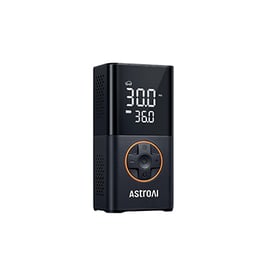
- Ensure the jump starter is charged (check display)
- Connect red clamp to positive (+) terminal
- Connect black clamp to engine block ground (not negative terminal)
- Turn on jump starter, wait for green light
- Start engine, crank for max 5 seconds
- If it doesn't start, wait 30 seconds, use boost mode if available
- Once started, turn off jump starter and remove clamps (black first, red second)
For detailed instructions, read our complete portable jump starter guide.
Step 4: Get to Safety
Once the engine is running, don't turn it off immediately. Drive for at least 20-30 minutes to let the alternator recharge the battery. Head to a safe location before shutting off the engine.
Step 5: Diagnose and Fix
After the emergency is resolved, find out why the battery died. Did you leave lights on? Is the battery old? Is the alternator not charging? Is there a parasitic drain?
Emergency Jump Starter: Key Features to Look For
Boost Mode
In an emergency, your battery might be very deeply discharged. Boost mode forces the jump starter to output current even when it can't detect the battery's voltage.
Built-in Flashlight
Emergencies don't only happen in daylight. A built-in LED flashlight with SOS mode helps you see and alerts other drivers.
USB Charging
If your phone is also dead, you need it charged to call for help. A jump starter with USB output can charge your phone.
Long Shelf Life
An emergency tool that's dead when you need it is useless. Look for a unit that holds charge for 6-12 months and recharges quickly via USB-C.
Compact Size
If the jump starter is too big, you won't carry it. Look for one that fits in a glove box or under a seat.
Seasonal Emergency Preparedness
Winter (Highest Risk)
- Cold reduces battery output 30-60%
- Engine oil thickens, requiring more cranking power
- Check jump starter charge monthly
- Keep jump starter indoors overnight
- Read our cold-weather jump starter guide
Summer
- Heat degrades batteries faster
- Don't leave jump starter in a hot car
- Carry extra water in your emergency kit
Before Road Trips
- Charge jump starter to 100%
- Test car battery at auto parts store
- Check tire pressure and spare tire
- Update emergency kit supplies
Frequently Asked Questions
What is the best emergency jump starter?
The best emergency jump starter is compact, holds charge for 6+ months, has 1,500+ peak amps, includes boost mode, a built-in flashlight, and USB charging. Browse our collection for options.
Can a jump starter start a completely dead battery?
If the battery reads 0V, most jump starters can't detect it. Use boost mode to force output. If the battery has an internal short, no jump starter will work.
How often should I check my emergency jump starter?
Check the charge level every 3-4 months and recharge if below 70%. Before road trips or winter, verify it's fully charged.
Should I carry jumper cables too?
Yes. A jump starter can run out of battery. Jumper cables are a zero-maintenance backup. Carry both for maximum preparedness.