


Step-by-Step Guide to Using a Portable Tire Inflator
Using a portable tire inflator is straightforward, but following the correct procedure ensures safe, accurate inflation and prevents common mistakes that can damage your tires or the inflator itself. This guide walks you through every step, from checking your tire pressure to storing your inflator properly after use.
Step 1: Check Your Recommended Tire Pressure
The most common mistake drivers make is inflating tires to the "maximum pressure" printed on the tire sidewall. This number (often 44 or 51 PSI) is the tire's absolute maximum safe pressure, not the recommended operating pressure. Your recommended tire pressure is printed on a sticker inside the driver's side door jamb, and it is typically 30-35 PSI for most passenger cars and 35-40 PSI for SUVs and light trucks.
Why does this matter? Over-inflated tires have a smaller contact patch with the road, which reduces traction, increases stopping distance, and makes the ride harsher. Under-inflated tires flex more, generate excess heat, and wear out faster on the edges. The door jamb sticker gives you the pressure that balances safety, comfort, fuel economy, and tire life.
Step 2: Prepare Your Inflator
Before you start inflating, make sure your POWNYM inflator is ready:
- Check the battery level - The LED display shows remaining charge. If below 25%, recharge first if possible.
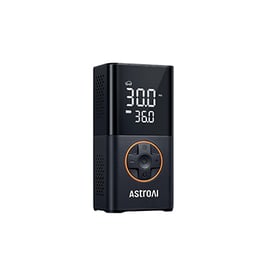
- Set your target pressure - Use the digital controls to enter the exact PSI from your door jamb sticker. For example, if your sticker says 34 PSI, set the inflator to 34.
- Select the right nozzle - For car and SUV tires, use the standard Schrader valve nozzle (pre-installed on the hose). For bicycle Presta valves, attach the included Presta adapter.
- Remove the valve cap - Unscrew the plastic or metal cap from your tire's valve stem.
Step 3: Connect and Inflate
Press the inflator's hose firmly onto the tire valve stem. You will hear a brief hiss of air as the connection seals - this is normal. Once the hose is securely attached:
- Press the start button on your POWNYM inflator
- The inflator will begin pumping air into the tire
- The digital display will show the current pressure rising toward your target
- When the target pressure is reached, auto-shutoff kicks in and the inflator stops automatically
Do not manually stop the inflator before it reaches your set pressure. The auto-shutoff feature is designed to deliver precise inflation without over-pressurizing. Interrupting it early can leave your tire under-inflated.
Step 4: Verify and Adjust
After auto-shutoff, disconnect the hose and verify the pressure:
- The POWNYM digital display should show your target PSI (e.g., 34.0 PSI)
- For extra confidence, use a standalone tire pressure gauge to double-check
- If the pressure is slightly above target (1-2 PSI over), it will naturally equalize as the tire cools - no adjustment needed
- If significantly over (3+ PSI), briefly press the valve stem with a gauge to release a small amount of air
Reinstall the valve cap to protect the valve stem from dirt and moisture.
Step 5: Check All Four Tires
Tire pressure varies between tires. The front tires on most cars carry more weight (engine weight) and may read 1-2 PSI different from the rear tires. Check and inflate all four tires to the same target pressure. If one tire requires significantly more air than the others (e.g., it was at 20 PSI while others were at 32 PSI), inspect it carefully for leaks, punctures, or sidewall damage before driving.
Common Mistakes to Avoid
- Inflating hot tires - After driving, tire pressure increases 3-5 PSI due to heat. Always check and inflate cold tires (before driving, or after the car has been parked for 3+ hours).
- Ignoring slow leaks - If a tire loses 2+ PSI per week, it has a slow leak. Repeated inflation without fixing the leak wastes battery and risks a blowout.
- Not recharging after use - Always recharge your inflator after each session. A depleted battery means no inflation when you need it most.
- Using the sidewall max PSI - As explained above, always use the door jamb sticker pressure, not the tire sidewall maximum.
Seasonal Tire Pressure Tips
Tire pressure changes with temperature - approximately 1 PSI for every 10 degrees Fahrenheit. This means:
- Winter - Cold temperatures drop tire pressure. Check monthly and inflate as needed. A tire at 34 PSI in summer may read 30 PSI in winter.
- Summer - Hot temperatures increase pressure. Do not deflate hot tires - they will read high because of heat, but return to normal when cool.
- Road trips - Check pressure before long drives. Long highway miles generate heat and increase pressure, but the tire is designed to handle this variation.
When to Replace Your Tires
Even with perfect inflation, tires wear out. Replace tires when:
- Tread depth is below 4/32 inch (use the penny test - if you can see all of Lincoln's head, replace the tire)
- Visible cracks, bulges, or sidewall damage appear
- The tire has been driven on while significantly under-inflated (this can cause internal damage even if the exterior looks fine)
- Tires are more than 6 years old (check the DOT date code on the sidewall)
For reliable tire maintenance, keep a POWNYM portable tire inflator in your trunk and check your pressure monthly. It takes less than 5 minutes per tire and can prevent the most common - and most dangerous - tire problems on the road.